By Liel Bridgford [4min read]
First published on Disability Rights and Culture Blog
In most of my memories of wanting, initiating or having sex as a young person, my disabled body played an important role.
I grew up as a disabled kid who was assigned female at birth. This meant that my thoughts about my leg being “abnormal”, “deformed” or “problematic” seeped into my body image, then my self-worth, then into how valuable I thought of myself in a romantic or sexual way.
As a teenager and young adult, I would often hide my leg, and be constantly on high alert to how people, especially boys, saw and perceived my leg.
The desperation to find a romantic and sexual partner I felt then lingered through my scarred bones for many years. For me, being desired sexually was a validation I desperately needed from the world around me. I craved feeling that I was enough, that I was ok, just as I was.
But this desperation was also complicated by intense fear and anxiety about people seeing my leg under the brace, watch me limp, or noticing my curled four toes.
In all my early sexual experiences I remember feeling equally exhilarated and afraid of being rejected for the parts of my body I could never change.
As many young women and gender diverse people, I have experienced countless sexual harassment, judgment and even abuse. Unlike non-disabled folks, my disability has multiple times left me more vulnerable to such abuse, for instance when a doctor examining my condition has abused me in his clinic, or when I could not quickly escape a harasser on my crutches.
From shame to pride
For me, developing my self-worth beyond my body has taken years. It has taken time and effort, as well as finding the right supports: a good psychologist, a loving and non-judgmental partner, friends, and a lively disability community.
I still vividly remember the moment my now-husband found out about my disability – and his response. He did not flinch or move away but kept our (admittedly flirty) conversation going. That was the moment I knew he was different from any other person I dated before.
In my late 20s I found answers online for questions I didn’t know I had. Coming across a group of people who share my physical disability has changed my relationship with my body so dramatically that for the first time in my life I felt “normal” – it was a sensation of relief, sadness and joy all mixed together.
One moment stands out in my journey when a fellow group member shared a photo of their leg, and it looked almost identical to mine. As a person without a fibula, four curled toes and endless overlapping scars on the shin from 18 operations – it was momentous. The simple picture brought shivers to my body and tears to my eyes — for the first time I was truly not alone.
With time and a lot of effort, I gradually shared my own story and body with the world. Connecting with many other disabled people and building a community of people who get it has allowed me to let go of the shame and build pride and confidence in myself.
It has not been an easy journey, but I am now open about my leg and rarely try to hide it. Feeling sexy and being disabled are not mutually exclusive. Having a body that is different does not make me less worthy of sexual attention, pleasure, and safety. In fact, being disabled has helped me feel empowered to be myself – in and out of the bedroom.
Sexuality and well-being for disabled people
Self-confidence in our disabled identity is crucial to our confidence with a potential or current sexual or romantic partner. And many of us disabled folks struggle with both.
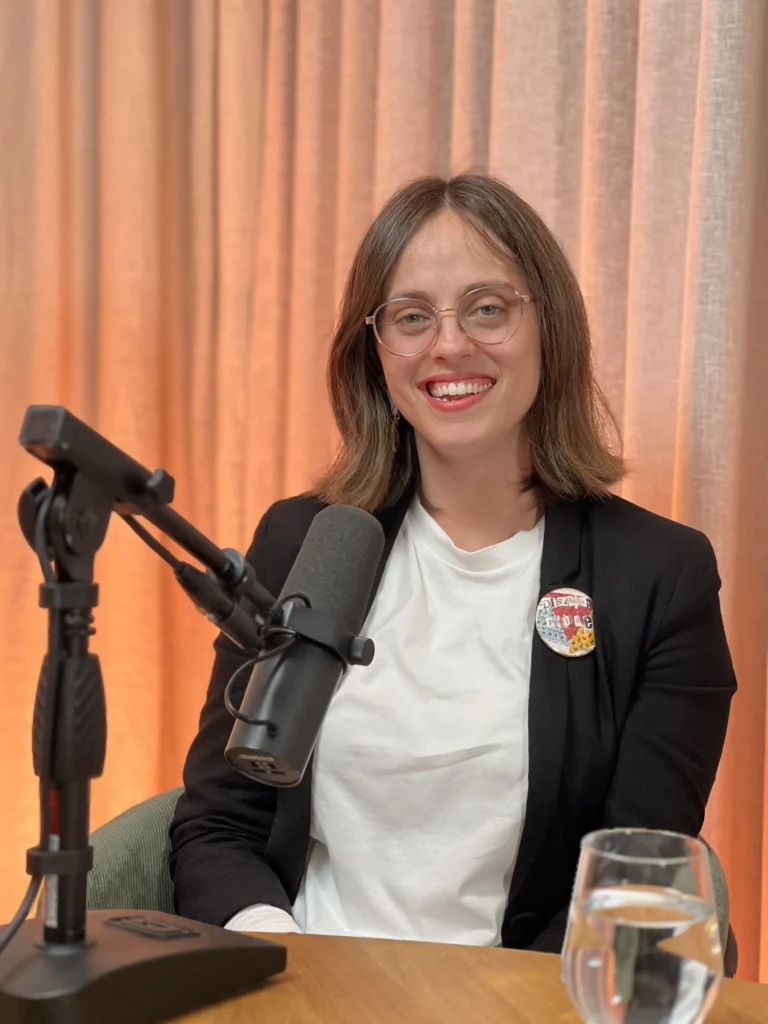
Nowadays as a disabled psychologist, I get to have the privilege of supporting fellow disabled people to live well. Sex and romance is such an important part of our wellbeing, and so I was delighted to be invited to speak about sex, disability and chronic illness on the new SBS podcast series Love Without Limits.
I hope the episode – and this article – will help someone feel just a little more confident and empowered to be their sexy selves.
Tips for your romance and sex life when you’re disabled
My top tips for fellow disabled people:
- Find your people – fellow disabled people you can talk to can help feel connected and desired
- Communicate – work on communicating your needs and desires with family and friends and gradually build your ability to communicate with a partner about your sexual needs
- Experiment – in whatever way is accessible to you, starting with self-exploration
- Develop your confidence – in your disabled identity. Communicate about your disability to someone you trust, and practice advocating for yourself in different ways
If you are still having a hard time, I suggest reaching out to a disability-friendly support service such as a psychologist or sex therapist.
Liel Bridgford
Psychologist | Writer | Educator